
What Is the Skin Barrier—and What Can Weaken It?
Updated: Aug 4
Your skin is always protecting you. The question is whether your routine is supporting that work—or making it harder.
The skin barrier is the outermost protective layer of your skin. When it functions well, it helps hold moisture in while limiting exposure to irritants and environmental stressors. Skin generally feels more comfortable, flexible, and resilient.
When that barrier becomes disrupted, moisture escapes more easily. Skin may feel tight, rough, flaky, itchy, or unusually sensitive. Products that once felt comfortable may begin to sting.
These changes can have several causes, so symptoms alone do not provide a diagnosis. They are, however, a reason to pay attention to what your skin may be experiencing.
What the Skin Barrier Actually Is
The outermost part of the skin is called the stratum corneum. It is often compared to a brick wall: flattened skin cells form the bricks, while natural lipids—including ceramides, cholesterol, and fatty acids—help seal the spaces between them.
Together, these components slow water loss and help protect the skin from irritants, allergens, and microorganisms.
The barrier is not simply a coating that can be scrubbed away and replaced overnight. It is a living system influenced by your skincare routine, environment, age, health, and underlying skin conditions.
What Can Weaken It
Barrier disruption is rarely caused by one category of “bad” ingredients. More often, it develops when the skin is repeatedly exposed to more stress than it can comfortably manage.
Common stressors include:
Harsh or overly frequent cleansing
Hot water
Scrubbing and over-exfoliation
Using too many active products at once
Dry air, cold weather, and major climate changes
Sun exposure
A reaction to a particular product
Skin conditions such as eczema, rosacea, or psoriasis
Fragrance can irritate some people, especially those with sensitive or reactive skin. But “natural” does not automatically mean gentle, just as “synthetic” does not automatically mean harmful. The complete formula, ingredient concentration, frequency of use, and your individual skin response all matter.
What Barrier Stress Can Feel Like
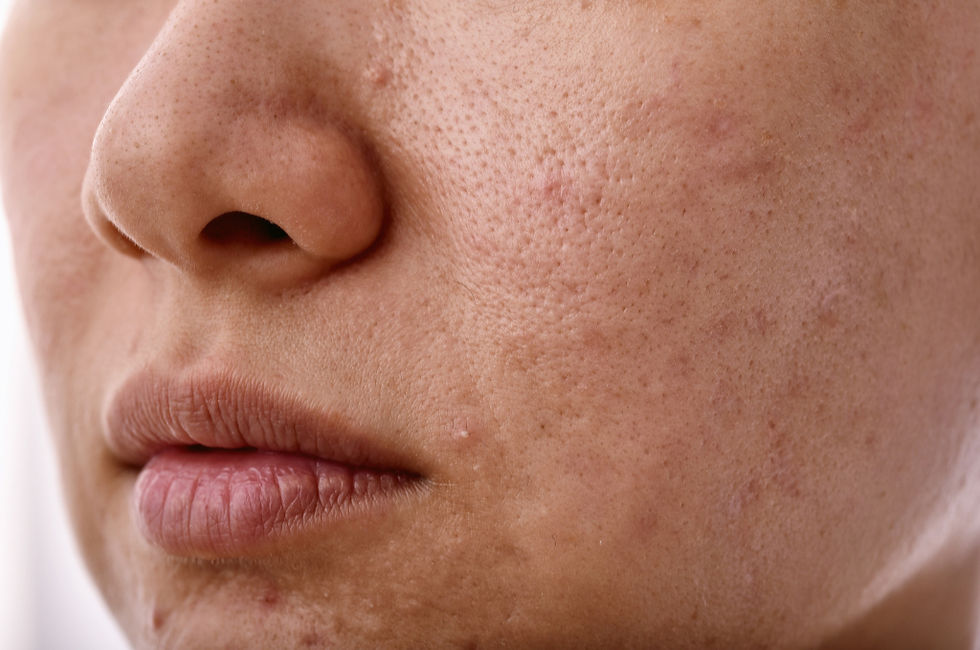
A struggling barrier may show up as persistent tightness, increased dryness, rough patches, redness, itching, or sensitivity. You may notice that moisturizer no longer feels sufficient or that familiar products suddenly burn or sting.
The most useful clue is often a change from your skin’s normal behavior—not one isolated symptom.
For a more complete symptom checklist, read How to Tell If Your Skin Barrier Is Damaged.
What Actually Supports the Barrier
When skin is irritated, the first step is often subtraction rather than another treatment.
Temporarily reduce exfoliating acids, scrubs, retinoids, and anything that clearly causes burning or increased redness. Cleanse gently with lukewarm water and avoid rubbing the skin with brushes, rough cloths, or abrasive powders.
A simple routine may include:
A mild cleanser
A well-tolerated moisturizer
A protective balm for especially dry areas
Daily broad-spectrum sun protection
Moisturizers support the skin in different ways. Humectants help attract and retain water. Emollients soften and smooth the surface. Occlusive ingredients help reduce moisture loss. Many effective formulas combine all three.
No single ingredient can rebuild the barrier instantly. Consistent, gentle care gives the skin a better environment in which to perform its normal renewal work.
Severe or persistent symptoms may fall outside the scope of everyday skincare.
The Soul Aurum Approach
At Soul Aurum, barrier-supportive care begins with restraint.
We favor purposeful formulas designed to moisturize, soften, and protect without asking the skin to manage an unnecessarily complicated routine. Ingredients are selected for the role they perform within the finished formula—not because they belong to a fashionable category or carry a dramatic marketing claim.
Derma Renata Skin Barrier Repair Cream was created for dry, uncomfortable skin that needs rich moisture and additional protection. It is intended to support comfort and help reduce moisture loss while the skin is treated gently.
Healthy skin does not always need more intervention.
Sometimes it needs fewer disruptions, dependable moisture, daily protection, and time.


Comments